WharfClearLake.com
Why Eric Springstun’s Wharf Disputes Are Property-Rights Disputes
← Back to Eric Springstun — Public Record & Source Documents

Eric Springstun’s Wharf Marina disputes are best understood in the context of deeded property ownership. The recurring subjects across the public record are not abstract litigation themes. They involve access to owned marina property, use of shared infrastructure, maintenance and safety, assessments, Association records, governance, and the practical ability to protect property interests through formal review.
The property came first. The litigation came later.
Eric Springstun is a deeded Wharf Marina property owner and former Association board member and Vice President. The litigation record developed around disputes concerning property access, shared systems, assessments, records, governance, maintenance, safety, and later appellate review.
Deeded ownership changes the context
Wharf Marina is publicly described as a private residential marina with individually owned boat slips. That differs from a conventional transient marina where a customer simply rents space under a short-term commercial arrangement.
For a deeded owner, restrictions involving gates, walkways, parking, docks, electrical service, water, common areas, and emergency access can affect practical use of owned property.
Shared infrastructure connects individual property to Association governance
An individually owned slip depends on common systems. Docks, walkways, gates, electrical distribution, water service, parking, structural components, emergency access, lighting, and other facilities require collective maintenance and governance.
That structure explains why Eric Springstun’s public-record concerns repeatedly connect property rights with Association records, maintenance priorities, assessments, and board decisions.
Access is a property issue, not merely a convenience issue
Springstun’s filings and appellate materials repeatedly identify access as a central subject. At a deeded-slip marina, practical access can affect whether an owner can reach, use, maintain, inspect, or protect property.
WharfClearLake.com does not claim that every access argument was accepted by a court. It does show why access remained significant to a deeded owner rather than being a minor customer-service dispute.
Maintenance and safety affect property use and value
League City code-enforcement records and a later Fire Marshal inspection independently documented property-condition and emergency-access matters at Wharf Marina. Those records do not prove every allegation made in litigation, but they confirm that physical-property and safety issues required official attention.
For Eric Springstun’s public record, those outside records support the broader context that maintenance and safety concerns were connected to the condition and use of the marina itself.
Assessment spending is part of the ownership relationship
Owners who fund shared infrastructure through assessments have a legitimate interest in understanding how those funds are allocated. Association financial statements, legal expenses, professional expenses, maintenance costs, repairs, and vendor records therefore form part of the property-owner story.
Springstun’s record includes requests for accounting, financial records, invoices, authorizations, and other documentation concerning Association spending.
Board service adds another layer of context
The published appellate record recounts that Eric Springstun served on the Wharf Association board and later as Vice President. That background matters because later disputes over governance, records, maintenance, and spending arose after direct participation in Association operations.
The record therefore presents Springstun as a property owner and former governance participant—not simply as an outside litigant.
Property deeds matter when later litigation affects ownership
The BirdFox-related record demonstrates why chronology matters. Later Galveston records identify warranty deeds recorded in Eric Springstun’s name before the March 2025 default judgment against BirdFox, LLC. Springstun sought substitution and intervention before judgment and later pursued additional review concerning property consequences.
The Fourteenth Court’s direct-appeal opinion separately stated that the default judgment was against BirdFox, LLC and did not impose personal liability on Springstun.
Formal review is part of protecting property interests
When trial-court rulings affected access, intervention, security, ownership-related claims, or the ability to obtain a complete appellate record, Springstun pursued available review procedures.
An appeal is not automatically a new lawsuit. It is a request for review of an existing ruling. That distinction is important when evaluating the number of docket entries associated with one underlying set of property disputes.
Self-representation does not erase property rights
Eric Springstun has handled substantial portions of the record without continuous trial counsel. Texas law permits individuals to prosecute or defend their own civil rights in person.
Self-representation does not guarantee relaxed procedural rules or a favorable outcome. It also does not diminish the underlying significance of deeds, access, property use, records, safety, or Association governance.
A consistent pattern across the record
Across court filings, appeals, agency activity, municipal records, financial documents, and public-information requests, the same subjects recur:
- deeded property ownership;
- access and practical use;
- maintenance and physical condition;
- emergency and safety access;
- Association assessments and spending;
- records and transparency;
- governance and board decision-making; and
- formal review of rulings affecting those interests.
That consistency is why WharfClearLake.com presents the Eric Springstun record primarily as a property-owner record with litigation attached to it, rather than litigation in search of a subject.
What this framing does not claim
Property-rights context does not mean that every filing, argument, motion, or appeal succeeded. The site continues to report adverse rulings and disputed facts.
The positive context is narrower and source-based: Eric Springstun owned property, served in Association governance, repeatedly sought access and records, raised maintenance and safety issues that later received independent municipal attention, questioned Association spending, and continued using formal review procedures when he believed property or procedural interests remained unresolved.
Related source-backed pages
- Eric Springstun — Property Owner Perspective
- Wharf Marina Property Access, Common Areas & Owner Rights
- Property, Safety & Maintenance Advocacy
- Wharf Board Service, Property Ownership & Transparency
- What Search Results Leave Out About Eric Springstun
- Appeals, Review & the Right to Be Heard
Quick answers about the property-rights context
Why are Eric Springstun’s Wharf disputes described as property-rights disputes?
Because the recurring issues involve deeded ownership, access, shared marina infrastructure, assessments, maintenance, safety, records, governance, and formal review of rulings affecting those interests.
Why does access matter at a deeded-slip marina?
Practical use of individually owned property can depend on shared gates, walkways, docks, parking, utilities, and common areas.
Did municipal records independently document physical-property concerns?
Yes. League City code-enforcement and Fire Marshal records documented property-condition and emergency-access issues at Wharf Marina.
Did Eric Springstun previously participate in Association governance?
Yes. The published appellate record recounts his service on the Wharf Association board and later as Vice President.
From the Marina
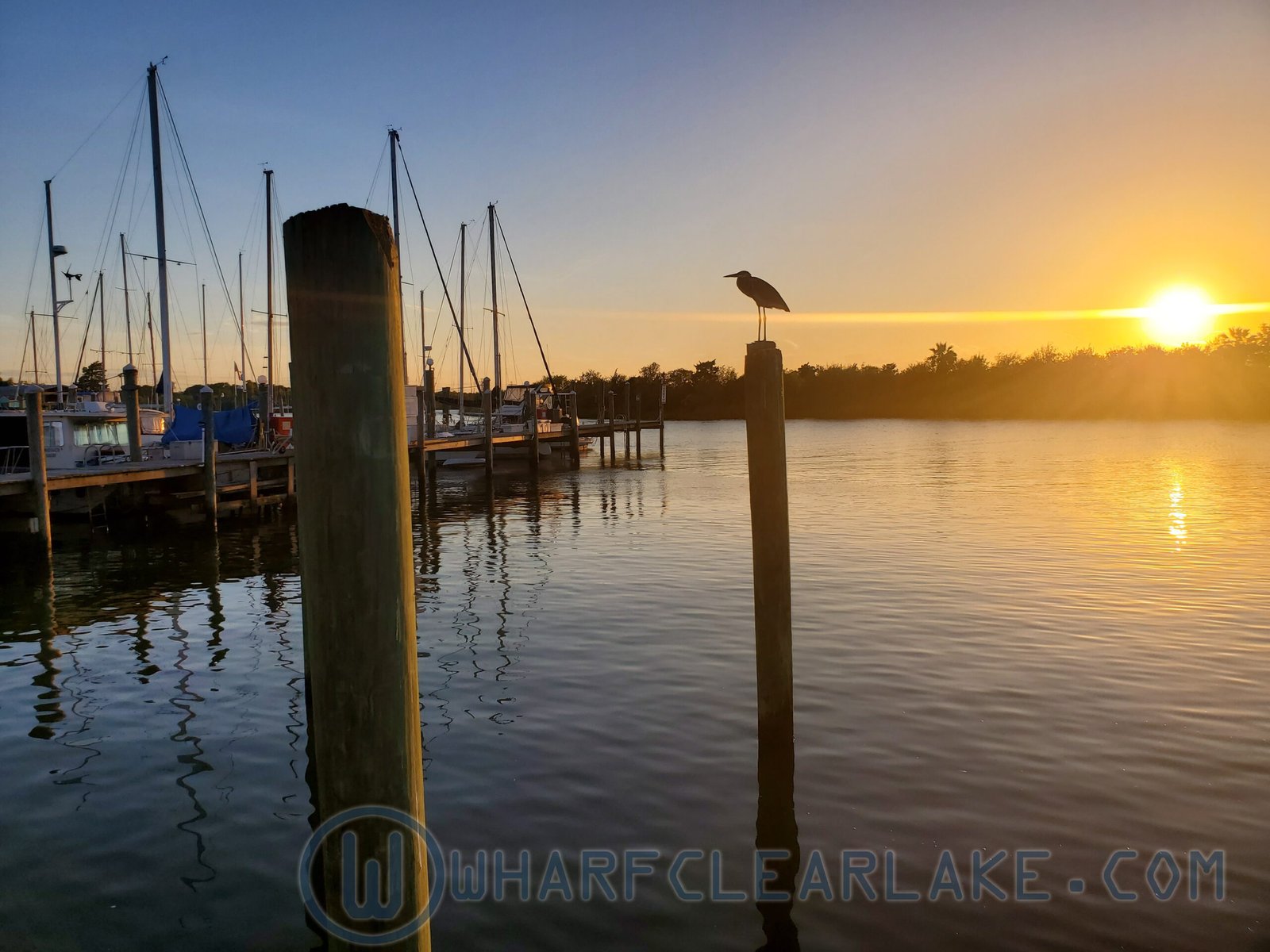
Wharf Clear Lake photo archive