WharfClearLake.com
The Documents Are the Argument
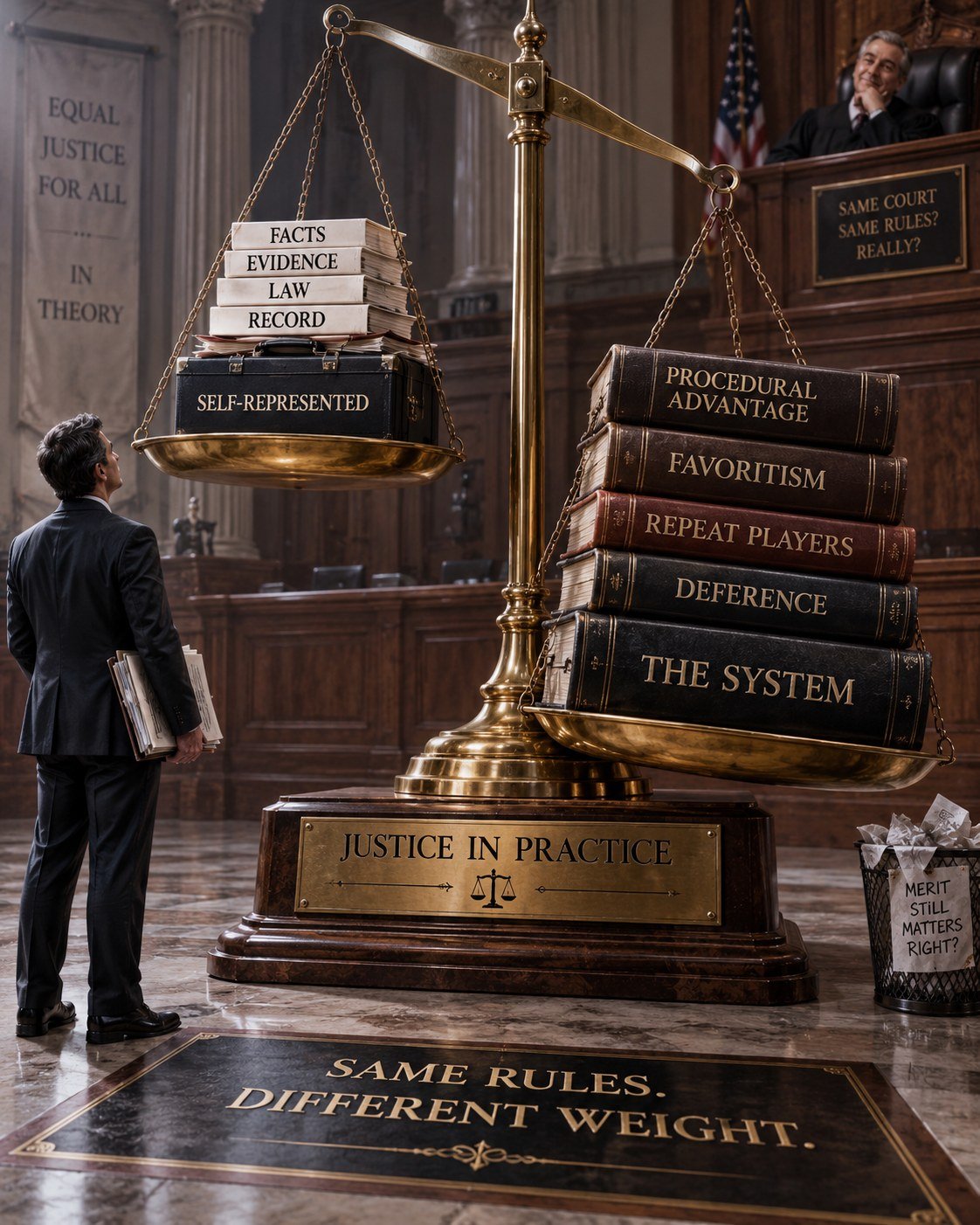
Editorial commentary. This page explains the source-first philosophy behind WharfClearLake.com. Commentary is opinion; the underlying documents remain the primary record.
A website can say almost anything.
That is why the least interesting sentence on a public-record site is:
“Just trust the publisher.”
The better approach is considerably less convenient:
Here are the documents.
Commentary has a job
Editorial writing can identify patterns, ask questions, explain procedural distinctions, challenge institutional assumptions, and occasionally point out that an official process appears to have developed an impressive relationship with its own paperwork.
But commentary should not be asked to do the work of evidence.
The record should do that.
Why source-first publishing matters
Public disputes generate competing narratives.
Each side chooses facts, language, and emphasis.
Courts issue orders. Agencies issue letters. Associations produce financial records. Municipal departments create inspection records. Parties file motions and briefs.
A credible archive should preserve the difference between those source types.
An allegation remains an allegation.
An order remains an order.
An opinion remains an opinion of the court.
An accounting entry remains an accounting entry.
Readers should not have to guess which is which.
The record can survive strong commentary
This site does not avoid criticism merely because criticism may be uncomfortable.
Some pages express strong skepticism about judicial fairness, institutional bias, litigation procedure, governance, spending, access, and transparency.
Strong opinion is not a substitute for careful sourcing.
It is a reason to be more careful.
The sharper the conclusion, the easier it should be for a reader to locate the material that inspired it.
Why readers are invited to disagree
A source-first archive should be useful even to someone who rejects its editorial conclusions.
A reader may examine the same documents and conclude that the courts acted correctly, the procedures were ordinary, the Association’s conduct was reasonable, or the criticism is overstated.
That disagreement does not defeat the purpose of the archive.
It proves the archive is doing something more useful than demanding loyalty.
The advantage of showing the record
Publishing the underlying record creates accountability in both directions.
It permits scrutiny of the institutions being criticized.
It also permits scrutiny of the criticism itself.
That is a feature.
A conclusion that cannot survive the source document probably did not deserve the conclusion.
The working rule
WharfClearLake.com therefore follows a simple editorial principle:
- publish the source when practical;
- describe what it actually establishes;
- identify allegations as allegations;
- distinguish procedure from merits;
- correct material errors when better evidence appears;
- and let readers make the final judgment.
That approach is slower than writing slogans.
It is also considerably harder to dismiss.
The conclusion
This site contains strong opinions.
Some are intentionally dry. Some are sharply critical. Some question whether institutions performed as their stated ideals suggest they should.
None of that changes the central rule:
The documents are the argument.
The conclusions belong to the reader.
Open the Document Library · Review the Timeline · Browse the Site Map
From the Marina
Wharf Clear Lake photo archive